
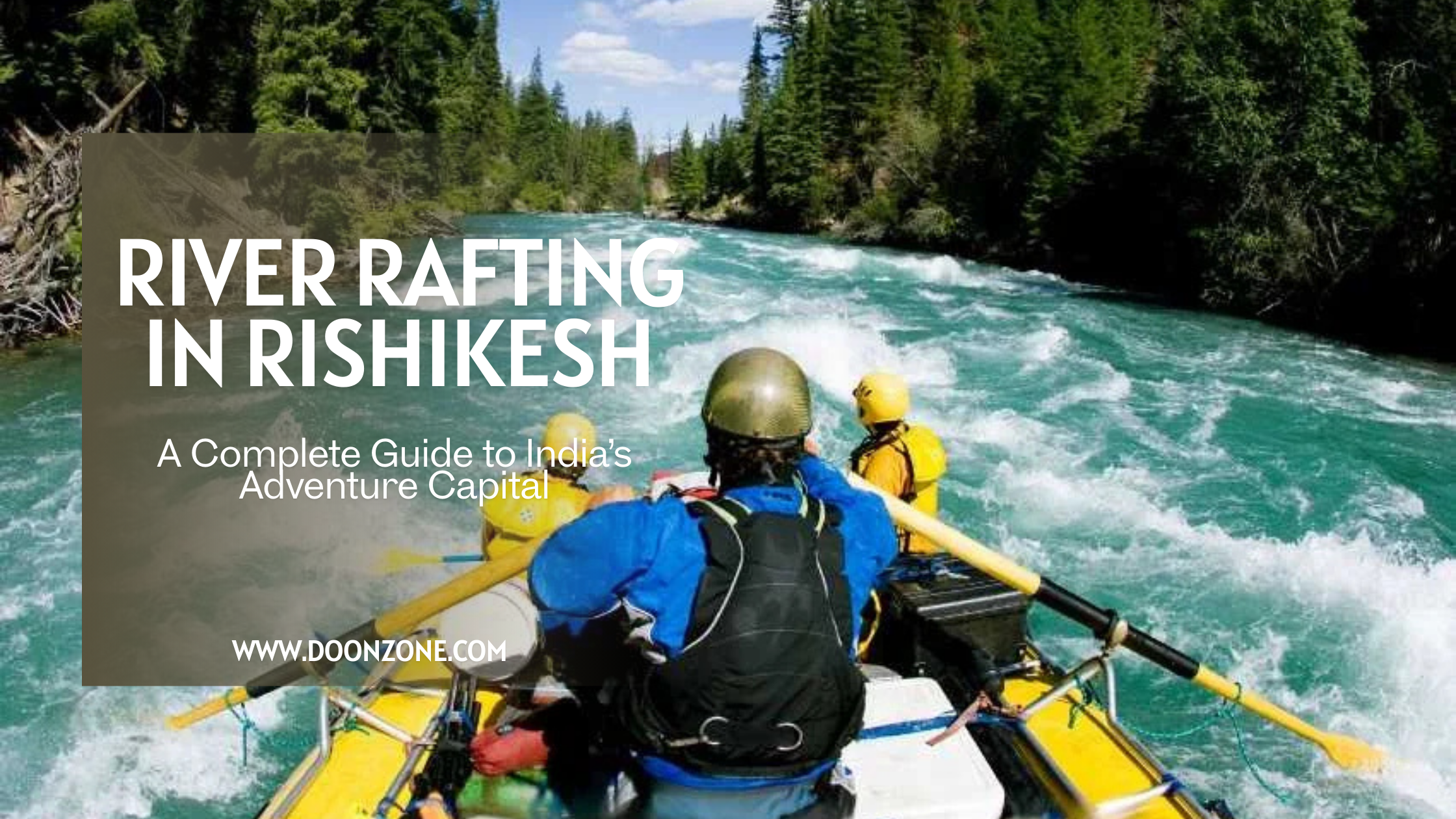

Rishikesh is often introduced to the world as a spiritual town—home to ashrams, yoga retreats, and quiet evenings along the Ganga. But beyond the chants and calm lies an entirely different rhythm. River rafting in Rishikesh brings out the wild, untamed side of this Himalayan gateway, offering one of the most exciting adventure experiences in India.
With forested hills on both sides and icy mountain water rushing beneath your raft, rafting here is not just an activity—it’s a moment where fear, excitement, and joy collide.
While adventure lovers come for the rapids, many travellers combine river rafting in Rishikesh with temple visits, river walks, and scenic viewpoints. If you’re planning a longer stay, this detailed guide on places to visit in Rishikesh helps you explore beyond the river.
Why River Rafting in Rishikesh Is So Famous
The popularity of river rafting in Rishikesh comes from its unique combination of safety, scenery, and accessibility. The Ganga here flows with enough force to create thrilling rapids, yet remains manageable under professional supervision.
Another reason is variety. From gentle beginner-friendly stretches to longer, adrenaline-filled routes, Rishikesh caters to solo travellers, families, groups of friends, and serious adventure seekers alike. Add certified rafting guides, well-maintained equipment, and clearly marked routes, and you get a destination that feels both exciting and reliable.
Popular River Rafting Routes in Rishikesh
Different rafting stretches offer different levels of thrill. Choosing the right one depends on your comfort level and how adventurous you feel.
Brahmpuri to Rishikesh (9 km)
This is the shortest and easiest rafting route, making it ideal for first-timers and families. The rapids are mild, and the focus is more on enjoying the river and surroundings than extreme adventure.
Shivpuri to Rishikesh (16 km)
The most popular choice for river rafting in Rishikesh, this route strikes a perfect balance between excitement and control. Rapids like Roller Coaster, Return to Sender, and Golf Course make this stretch thrilling without being overwhelming.
Marine Drive to Rishikesh (24 km)
For those who want a longer and more intense experience, this route delivers. It includes continuous rapids, stronger currents, and extended time on the river, making it suitable for adventure enthusiasts.
Understanding Rapid Difficulty Levels
Rapids in Rishikesh are classified from Grade I to Grade IV, based on water flow and technical difficulty.
-
Grade I–II: Gentle and safe for beginners
-
Grade III: Moderate rapids with strong waves
-
Grade IV: Challenging rapids requiring teamwork and strength
Most commercial river rafting in Rishikesh remains within Grade II and III rapids, ensuring excitement without compromising safety.
Best Time for River Rafting in Rishikesh
The rafting season generally runs from late September to June.
-
October to February: Cooler temperatures, calm waters, scenic beauty
-
March to June: Faster rapids and higher thrill levels
-
July to September: Rafting remains closed due to monsoon and safety reasons
If you prefer controlled adventure, winter and early spring are ideal. For maximum thrill, summer rafting is the best choice.
Many travellers also explore curated adventure experiences and route details through established travel platforms like Thrillophilia’s Rishikesh rafting guide, especially when comparing difficulty levels and seasonal conditions.
Cost of River Rafting in Rishikesh
Prices vary based on route length and season, but approximate costs are:
-
9 km stretch: ₹600–₹800
-
16 km stretch: ₹1,000–₹1,500
-
24 km stretch: ₹1,800–₹2,500
Most rafting packages include helmets, life jackets, professional guides, and transport to the starting point.
If you’re looking for route-wise prices, safety guidelines, and common questions, platforms like BookMyRaft’s Rishikesh rafting FAQs provide helpful clarity before making a booking decision.
Safety Measures and Guidelines
Safety plays a major role in river rafting in Rishikesh. Reputed rafting operators strictly follow government-approved safety standards.
Before entering the river, participants receive a safety briefing explaining paddling techniques, emergency commands, and what to do if the raft flips. Wearing a life jacket and helmet at all times is mandatory, and guides accompany every raft.
It’s important to avoid rafting if you have serious heart conditions, recent injuries, or are uncomfortable in fast-moving water.
What to Wear and Carry for Rafting
Wear lightweight, quick-drying clothes and avoid cotton during colder months. Secure footwear is essential, as flip-flops can easily slip off. Sunglasses should be strapped, and valuables should be left behind or stored safely.
Final Thoughts
River rafting in Rishikesh is an experience that stays with you long after the river calms and the raft touches land. It’s about teamwork, trust, and the sheer thrill of riding the Ganga’s powerful currents.
Whether you are visiting Rishikesh for adventure, travel, or a break from routine, rafting offers a refreshing contrast to the town’s spiritual calm—and makes your trip truly unforgettable.